
Grain Markets - Winter 2026


Compared to previous years, 2026 was far from average and uneventful. Geopolitical events were predominant. Russia and Ukraine; U.S. and Iran; U.S. and China. No single factor tells the story. It’s about multiple independent catalysts and their combined effects on grain trade and supply-and-demand fundamentals. Corn and soybean prices impact farm profitability, influence cash rental rates, and affect the economics of farmland ownership. Market reactions to physical conflicts and international relations are worth watching.
We entered 2026 with Russia and Ukraine in their fourth year at war. Intensified conflict has slowed Ukraine’s grain exports. Reductions in Ukraine’s corn exports could mean more room for U.S. corn in the global market. Stronger export demand for U.S. corn would be a bullish catalyst to look for.On February 28th, 2026, the U.S. entered a war with Iran. Disruptions to oil production, refining, and shipping spread throughout the Persian Gulf region. Over time, soybean and corn markets (because of their use in biofuel and ethanol) generally correlate with diesel fuel and crude oil markets. For various reasons, energy and grain markets often moved independently and inversely this year. Higher energy costs compounded inflation. Diesel fuel prices doubled for farmers. While crude oil may not directly drive corn prices in the short term, overall inflation concerns support commodities. Fuel and fertilizer input costs are also important to farm profitability and future lease conversations.
U.S.-China trade negotiations and tariff discussions continue, with the agricultural community watching closely. China stores more corn and soybeans than any other country and is the world’s largest soybean importer. China imports 60% of the world’s soybean exports. China has agreed to buy 25 million metric tons of soybeans from the U.S., and the soybean market appears to have already reflected that figure. Will China increase purchases above and beyond this level? Will China fill its soybean demand with product from South America? Time will tell. Increasing U.S. export demand directly impacts local grain prices and farm profitability. The grain complex needs stable trade with many different countries for many different reasons. In 2023, Canada became our primary ethanol export destination. In 2026, U.S. ethanol exports to Canada are well below their 2024 and 2025 peak levels. Mexico has been, and remains, the single largest buyer of U.S. corn.
Domestically, U.S. demand for corn and soybeans has been the shining star. The U.S. has consistently used nearly 5.5 billion bushels of corn for ethanol since 2017. 2026/2027 Soybean crush is expected to be a national record, consuming nearly 2.8 billion bushels of soybeans. South American countries are also expected to increase their domestic usage of corn and soybeans. These trends may open opportunities for the U.S. to expand exports. Stability in global grain trade would help. Strong, diversified demand is critical because it supports the grain prices that underpin farm income. Demand trumps supply.
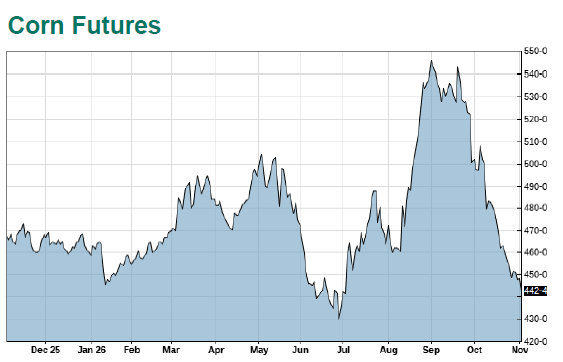
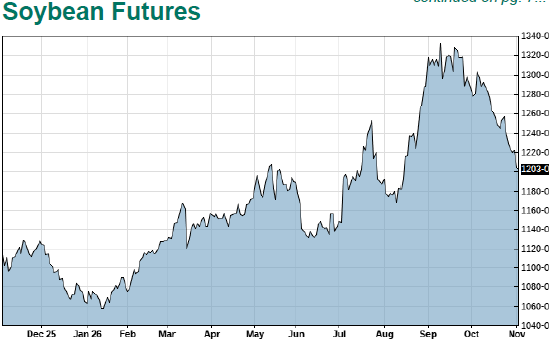
As we enter 2027, supply and demand fundamentals for corn and soybeans will continue to drive the markets. The size of the 2026 crops, 2027 planted acres, exports and domestic usage will largely dictate price direction. Because no single factor creates a bull or bear market, we help manage risk through incremental sales when market factors create opportunities, with seasonal timing providing additional sales triggers. Watch for multiple independent forces stacking up to fuel a market rally
Stay Connected and Informed
Agriculture and market conditions are constantly shifting. Subscribe to receive our monthly market updates and expert insights, so you’re equipped to make confident, well-timed decisions. If you have questions about your land, our farmland experts are ready to help.